

Ever stare into the abyss of your fridge at 6 PM? You know the feeling. Your stomach is rumbling, but your brain is just… empty. This nightly struggle is why so many of us are turning to the magic of meal planning. It’s the ultimate secret weapon for healthy eating and saving both time and money. Honestly, it’s a game-changer. The goal here is truly mastering the art of meal planning. It transforms that chaotic dinner scramble into a calm, organized process. You’ll have a solid weekly menu and a precise grocery list that actually works.
Think of it as giving your future self a huge high-five. Instead of stressing daily, you do the thinking once. The rest of the week just flows. It kinda feels like you’ve hacked the system. No more wasted food. No more expensive takeout. Just good, intentional food ready when you are.
I had a client, Sarah, who swore she was too busy. She was spending a small fortune on delivery. After we set up a simple plan, she saved over $200 her first month. She also gained about five hours of weeknight free time. That’s more than a whole workday! The benefits are just too real to ignore.

Your Blueprint: The 4-Step Planning Process
Okay, let’s break it down. This isn’t about being a gourmet chef every night. It’s about being smart and efficient. Follow these four steps, and you’ll be a pro in no time.
Step 1: The Brain Dump & Calendar Check
First, grab a notepad or your favorite app. Look at your week. Got a late meeting on Tuesday? Kids have soccer on Thursday? Plan for it! On busy nights, schedule time saving meals like leftovers or a super simple 15-minute pasta. For quieter evenings, you can try that new recipe you pinned.
- Check your schedule: Note down every commitment that affects dinner.
- Pick your recipes: Aim for a mix of family favorites and 1-2 new ones.
- Embrace theme nights: “Taco Tuesday” or “Stir-Fry Friday” makes decisions effortless.
This step is like looking at a map before a road trip. You wouldn’t just start driving, right? Knowing your route makes the journey smooth.

Step 2: Craft Your Master Grocery List
This is where the magic happens. Once your weekly menu is set, list every ingredient you need. Then, do a quick fridge and pantry scan. Cross off what you already have. This single habit can cut your grocery bill by up to 20% because you only buy what you need. No more impulse buys!
- Organize by category: Produce, dairy, meat, pantry. It makes shopping a breeze.
- Be specific: Don’t just write “vegetables.” Write “2 bell peppers, 1 head of broccoli.”
- Account for snacks and lunches: A little batch cooking goes a long way here.
Think of your list as a treasure map. It leads you directly to the gold (a stocked kitchen) without any detours into the junk food aisle.
Step 3: The Power of Batch Cooking & Strategic Prep
This is the secret sauce. You don’t have to cook every meal from scratch on the spot. Batch cooking is your best friend for meal prep. Spend 1-2 hours on a Sunday prepping components. I’m not saying you have to cook all 14 meals. Just make the pieces.
🔥 Pro tip: A study from the National Center for Biotechnology Information found that people who plan their meals tend to have greater diet variety and are more likely to meet nutritional recommendations. You’re not just saving time; you’re eating better!
- Cook grains in bulk: A big pot of quinoa or brown rice.
- Chop your veggies: Onions, carrots, celery – have them ready to go.
- Marinate proteins: Throw chicken or tofu in a bag with sauce. It’s ready to cook.
- Make a big-batch sauce or soup: This can be lunch for three days.
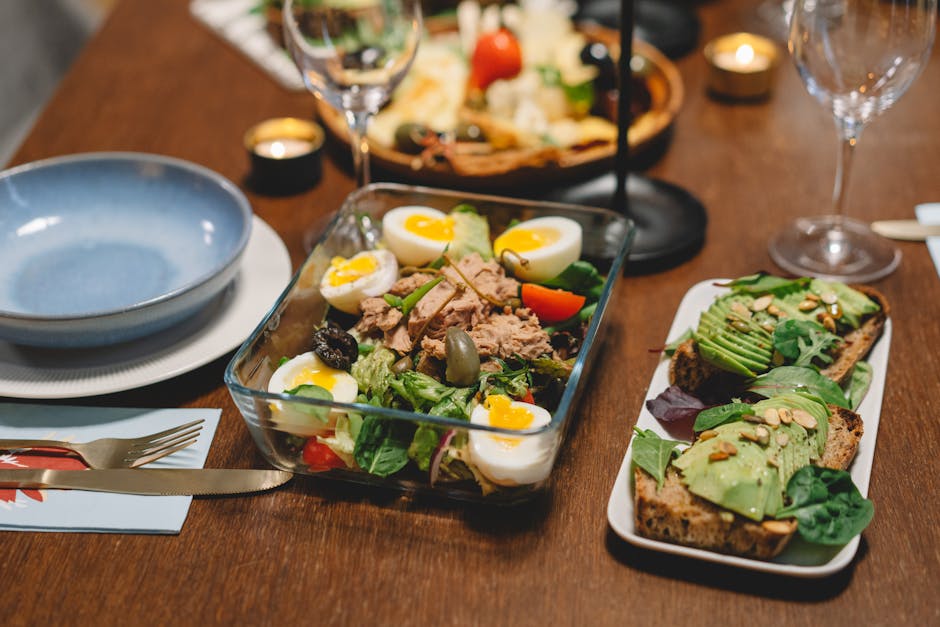
Common Hurdles (And How to Vault Over Them)
Let’s be real. Things don’t always go to plan. But that’s okay! The system is flexible.
“I don’t have time to plan!”
Start small. Plan just three dinners for the week. That’s three days you don’t have to think about it. It’s a win! Use a notes app on your phone to jot down ideas whenever they pop up.
“My family is picky.”
Involve them! Let your kids or partner pick one meal each week. When they have a say, they’re more likely to eat it. It’s a simple psychology hack that works wonders.
“I get bored eating the same thing.”
Meal planning doesn’t mean monotony. Cook a base ingredient, like shredded chicken or roasted veggies, and use it in different ways throughout the week. Tacos on Monday, chicken salad on Wednesday, pasta on Friday. Same ingredient, totally different meals.
Mastering the art of meal planning is a skill, not a innate talent. You’ll get better and faster each week. The initial effort pays off in spades with less stress, more money, and healthier meals on autopilot. So, what’s one meal you’re gonna plan for this week? Share your first planned dish in the comments below—let’s inspire each other! 😉