

Let’s be real for a second. You probably think you don’t have time-efficient training in your schedule. It’s okay—most of us feel that way. But what if I told you that a 15-minute workout can actually reshape your entire day? Sounds kinda wild, right? Yet, here’s the truth: a quick fitness routine isn’t just about saving time—it’s about sparking a massive shift in your energy and mindset. Honestly, this tiny habit—what we’re gonna call “15 Minutes to Fit: The Tiny Workout That Sparks Big Change”—is the secret weapon most people ignore.
You’ve probably tried those hour-long gym sessions that drained you. Or maybe you gave up because life got messy. I get it. But here’s the thing: micro workout strategies are scientifically proven to trigger a “dopamine gap.” That’s the psychological itch—your brain craves the reward of finishing something small, so you actually want to repeat it. It’s not about willpower. It’s about tricking your brain into craving progress. And once you start, that daily fitness habit becomes addictive.
Imagine this: You wake up, coffee in hand, and you’re already stressed about the mountain of tasks. But what if you stole just 15 minutes for yourself? No excuses. No gear. Just you and a floor. That tiny commitment rewires your dopamine receptors. Suddenly, you’re not just fitter—you’re happier, sharper, and weirdly eager to tackle the day. I once met a client named Sarah who thought she was “too busy.” She started a short exercise routine during her lunch break. Within a week, she told me, “I feel like I’m cheating the system.” She wasn’t wrong.
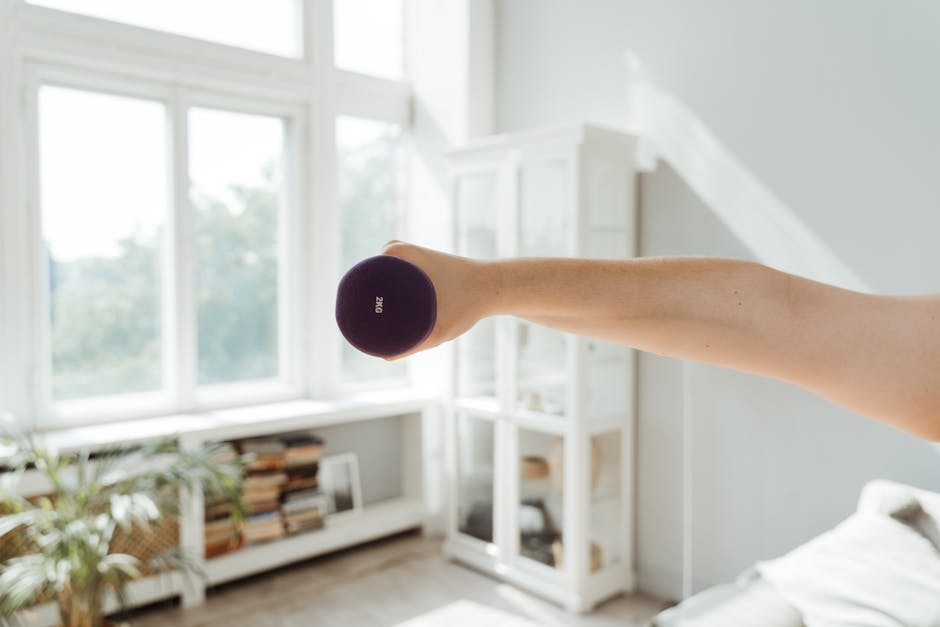
The Science Behind the 15-Minute Miracle
Why does a home workout of just 15 minutes outshine a two-hour slog? It’s all about intensity and focus. Studies from the American College of Sports Medicine show that time-efficient training done at high intensity can boost metabolism for up to 24 hours. That’s way more than shuffling on a treadmill for an hour. Your body doesn’t care about duration—it cares about effort. Think of it like a microwave vs. a slow cooker. Both cook food, but one does it in a fraction of the time. You’ll drop fat, build muscle, and save hours.
But the real magic? The dopamine gap. When you commit to just 15 minutes, your brain sees it as a “win” even before you start. You skip the dread. You skip the negotiation. And the moment you finish, you get a surge of feel-good chemicals that make you wanna repeat it. It’s the same reason why scrolling Instagram feels addictive—but way healthier. 🔥 Pro tip: Set a timer. Don’t check your phone. Just move. You’ll be shocked when 15 minutes flies by.
Ever felt overwhelmed by the idea of “getting in shape”? I have. It’s like staring at a mountain and thinking you gotta climb it in one go. But a micro workout is like taking one step. Then another. Suddenly, you’re at the top without even noticing the climb. That’s the psychological hack—it removes the intimidation. A study from Harvard found that even 15 minutes of physical activity per day reduces early death risk by 14%. That’s a stat worth remembering when you’re tempted to skip.

How to Design Your Own 15-Minute Workout
Alright, let’s get practical. You don’t need a gym or fancy equipment. You just need a floor and a timer. Here’s a dead-simple blueprint for a 15-minute workout that sparks big change:
- Warm-up (2 minutes): Jumping jacks or arm circles. Get blood flowing.
- Circuit 1 (5 minutes): 30 seconds of squats, 15 seconds rest. Repeat 4 times.
- Circuit 2 (5 minutes): 30 seconds of push-ups (or knee push-ups), 15 seconds rest. Repeat 4 times.
- Circuit 3 (3 minutes): Plank holds for 20 seconds, with 10 seconds rest. Repeat until time’s up.
That’s it. No fluff. You’ll feel the burn, but it’s over before you know it. The key is consistency. I remember a buddy of mine, Tom, who swore he “didn’t have time.” He started doing this exact routine during his kid’s soccer practice. Six months later, he dropped 15 pounds and actually looked forward to it. He said, “It’s like a coffee shot for my brain.” And he wasn’t exaggerating. Your daily fitness habit doesn’t have to be a chore—it can be a treat.
Why This Tiny Routine Creates a Dopamine Gap
Here’s the psychology: When you finish a short exercise session, your brain releases dopamine—but not just from the movement. It’s from the *completion*. You set a small goal, you achieved it, and now your brain wants more. This creates a gap. You’ll find yourself thinking, “Maybe I can do another 5 minutes tomorrow.” That’s the hook. It’s the same mechanism that makes you binge-watch a show, except now it’s working for your health.
Experts call this “temptation bundling.” You pair a tiny bit of discomfort with a huge reward. Like when Starbucks gives you a free drink after 12 purchases—it keeps you coming back. Your workout can be your own reward system. And the best part? You don’t need to be a fitness guru. You just need to start. I tell everyone I meet: “Don’t aim for perfect. Aim for 15 minutes.” That time-efficient training approach has transformed more lives than any trendy diet ever could.

Real-Life Examples That Prove It Works
Think about this: 78% of people say they’d exercise more if they had “more time.” But here’s the twist—they already have the time. They just don’t realize it. A micro workout is the loophole. I’ve seen busy moms do it while waiting for dinner to cook. I’ve seen office workers do it in a conference room. One friend, Anna, used her 15 minutes to do lunges while brushing her teeth. She called it “multit