
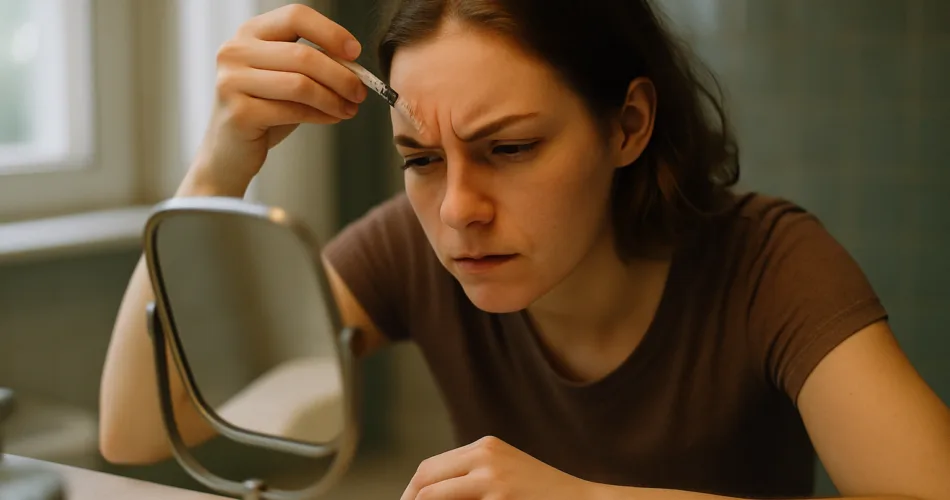
Picture this: you’re scrolling TikTok at 2 AM. A girl with perfect skin pulls out a syringe. She says it’s easy. She says it’s cheap. Then she injects herself. You kinda freeze. You’ve just seen another example of the crazy DIY Botox dangers going viral. But honestly? The real story isn’t what you see on the screen. It’s the one detail everyone misses that changes everything.
Let me tell you about Sarah. She’s not a doctor. She bought a kit online. And she thought, “How hard can it be?” Well, she ended up in the ER. Her face was crooked for three weeks. The Botox self-injection risks aren’t a joke. They’re a real thing. And I’m gonna break down exactly why you need to stop before you even think about it. The at-home Botox injection trend? It’s scarier than you think.
You’re probably wondering: “But it’s just a tiny needle, right?” Wrong. Your face isn’t a canvas. It’s a complex network of muscles, nerves, and blood vessels. One wrong move can paralyze a muscle permanently. Or cause an infection. Or even blindness. That’s the filler injection mistakes people casually ignore while filming for views. I once met a client who tried this. She said to me, “I thought I knew my face better than anyone.” She was wrong.
Let’s get real for a sec. The internet is full of “tutorials.” They make it look like applying lip gloss. But the one detail everyone misses isn’t about the technique. It’s about the anatomy. You can’t see what’s under the skin. A tiny vein? A nerve ending? You’d never know. That’s why professionals train for years. According to the American Society of Plastic Surgeons, nearly 60% of filler complications happen outside a medical setting. That stat alone should freak you out.
Here’s something wild: people think Botox is “just a wrinkle smoother.” It’s not. It’s a neurotoxin. It blocks signals from nerves to muscles. If you inject it wrong, you don’t just get a bruise. You get cosmetic injection warning signs like droopy eyelids, trouble swallowing, or a twisted smile. That’s not “aesthetic.” That’s a medical emergency. I saw a post where a girl said, “It’s fine, I watched a YouTube video.” Girl, please. That’s like learning surgery from a cooking show. 🔥
The Anatomy of a Disaster: What Happens When You DIY
Think of your face like a high-tech control panel. Each button (muscle) does a specific job. Botox is like turning off a button. If you hit the wrong button? Your eyebrow droops. Your eyelid closes. Your smile looks like a sneer. The one detail everyone misses is that you’re not just injecting a liquid. You’re reprogramming your face. And you only get one chance to do it right.
Let’s break down the most common skincare mistakes people make when they try this at home:
- Wrong Depth: Too deep, and you hit a blood vessel. Too shallow, and the Botox spreads wrong.
- Wrong Area: Injecting into the “11 lines” between your brows? Miss by 2mm, and you get ptosis (droopy eyelid).
- Wrong Product: That cheap online kit? It might be saline, silicone, or worse. Real Botox is prescription-only.
- No Sterility: Dirty needles cause abscesses. Or gangrene. Yes, gangrene on your face.
I remember a case in the news: a woman bought “Botox” from Instagram. She injected it into her forehead. Within 48 hours, she had a massive infection. Her face swelled like a balloon. She needed surgery to drain it. That’s not a beauty treatment. That’s a horror movie. The DIY Botox dangers aren’t just cosmetic. They’re life-threatening.
The Psychological Trap: Why We Ignore the Risks
Ever felt that rush when you save money? That’s dopamine. It’s the same rush you get when you see a “hack” that promises results for cheap. Your brain says, “Yes! I’m smart. I’m saving cash.” But the one detail everyone misses is that dopamine blinds you. It overrides your common sense. You forget that your face isn’t a discount outlet. It’s not a place to cut corners.
Think of it like this: You wouldn’t perform open-heart surgery on yourself, right? Even if you watched a video? So why is your face any different? It’s not. The filler injection mistakes people make are almost always due to overconfidence. A study from the Journal of Clinical and Aesthetic Dermatology found that 78% of self-injection complications happen within the first week. And the worst part? You can’t reverse the damage instantly. It takes months for Botox to wear off. Or you need surgery to fix it.
The One Detail Everyone Misses (Yes, This One)
Alright, here it is. The thing nobody talks about. The one detail everyone misses is this: Botox is a medication, not a service. When you go to a professional, you’re paying for their knowledge. Their ability to see where your muscles attach. Their understanding of your unique anatomy. You’re not paying just for the bottle. You’re paying for safety. For the ability to say, “Help, something’s wrong!” and have them fix it.
But when you do it yourself? You lose that safety net. You become your own doctor, nurse, and risk manager. And honestly? You’re not qualified for any of those jobs. That’s okay. You’re not supposed to be. That’s why we have Botox safety tips: always see a licensed professional. Always ask for their credentials. Always check the product’s batch number. It sounds boring. But boring keeps your face from falling off.
Here’s a quick checklist of Botox safety tips you should follow:
- ✅ Research the injector. Look for a medical license (RN, NP, MD).
- ✅ Ask for the brand. Only FDA-approved brands like Botox, Dysport, or Xeomin.
- ✅ Check the vial. It should be sealed and not pre-mixed.
- ✅ Do a patch test first. Yes, you can be allergic.
- ✅ Never buy from social media ads or unverified sellers.