


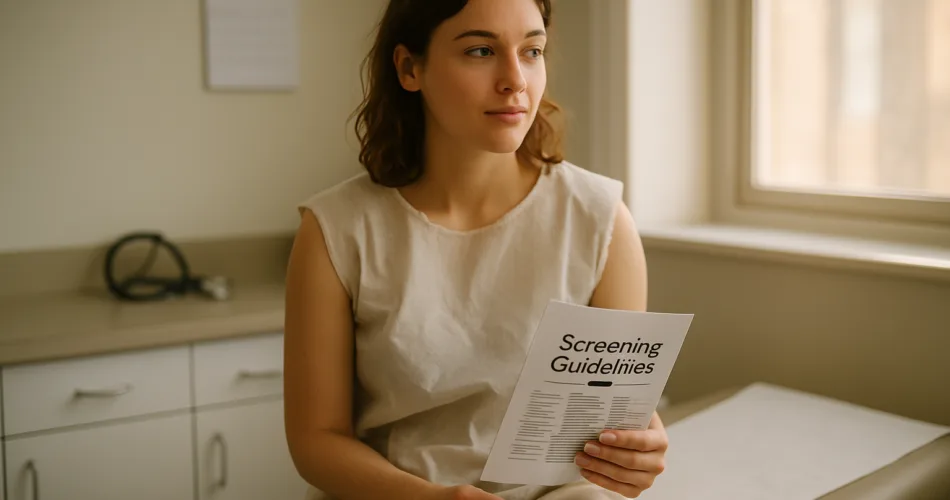
Picture this: you’re feeling healthy, invincible even. You’re busy with work, life, and maybe chasing toddlers. A doctor’s appointment? It’s the last thing on your mind. You probably think you have decades before you need to worry about breast cancer early detection or cervical cancer screening age. But here’s the thing—there’s a rule most people miss. Let’s uncover the hidden age rule your doctor isn’t telling you.
Honestly, it feels kinda sneaky. You’re sitting in that paper gown, and your doc just assumes you know the timeline. But you don’t. And it’s not your fault. The rules about mammogram age guidelines and pap smear screening age have changed more times than your favorite Netflix show. Most women I talk to are shocked when I tell them when they should actually start. They think they’re too young. But they’re not.
I once met a client named Sarah who was 32. She had zero symptoms. Her doctor said, “You’re fine, come back at 40.” But she had a gut feeling. She pushed for a mammogram early. Guess what? They found a tiny lump. It was stage 0. She caught it because she knew about the hidden rule. She didn’t wait for “the right age.” And that’s what I want for you.


Why the Standard Advice Might Be Outdated
Let’s be real. The official women’s health guidelines from big organizations are confusing. One group says start mammograms at 50. Another says 40. Some even say 45. It’s a mess. And the pap smear screening age? It used to be 21. Now, some say 25. But here’s the kicker: these guidelines are averages. They’re for “most women.” But you are not “most women.” You’re you.
Think of it like traffic rules. The speed limit says 65 mph. But if it’s raining, you slow down. The guidelines are the same. They give you a baseline. But your body has its own weather. Your family history, your genetics, your lifestyle—they all change the calculation. The hidden rule is not about a single number. It’s about understanding your personal risk.
Did you know that breast cancer early detection can increase survival rates by over 90%? That’s a stat from the American Cancer Society. But waiting too long can flip those odds. So why do we wait? Fear? Laziness? The “it won’t happen to me” syndrome? I get it. But being proactive is not scary. It’s empowering.
The Real Hidden Age Rule: It’s Not What You Think
Okay, so what’s the secret? It’s not 30. It’s not 40. It’s now. No, seriously. The hidden rule is that you shouldn’t wait for an arbitrary birthday to have a conversation. The rule is: start the dialogue with your doctor at 25. Why 25? Because that’s when your risk factors start to matter. If you have a family history of breast or ovarian cancer, you might need to start mammogram age guidelines a full decade earlier.
Here’s a quick list of when to raise the alarm:
- Family history: If your mom or sister had breast cancer, subtract 10 years from their diagnosis age. Start screening there.
- Genetic mutations: Think BRCA1 or BRCA2. Get tested by 30 if you’re high-risk.
- HPV status: For cervical cancer screening age, start Pap smears at 21. But if you have HPV, you might need co-testing earlier.
I know, I know. It sounds like a lot. But imagine you’re a gardener. You don’t wait for the weeds to take over your whole yard, right? You inspect the soil early. The hidden rule is about being your own health detective. Like how Starbucks checks the beans before brewing. You gotta check your beans.
Why Your Doctor Might Stay Silent
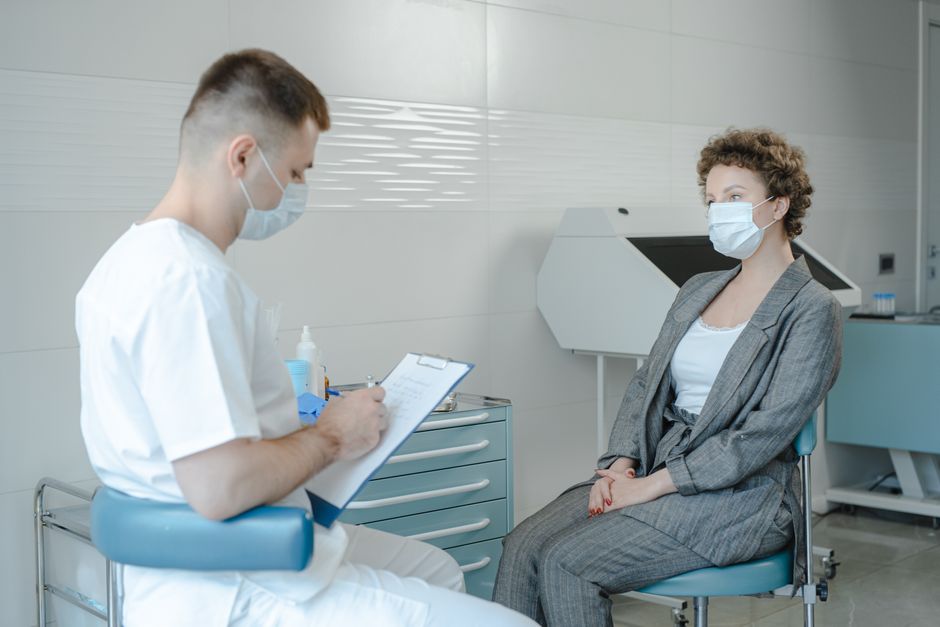
Honestly, your doctor isn’t trying to hide things from you. They’re just… busy. Overwhelmed. And they follow what the insurance companies pay for. Most insurance won’t cover a mammogram for a 30-year-old unless there’s a reason. So the doctor says, “Wait.” But the hidden age rule your doctor isn’t telling you is this: you can still request a screening. You can pay out-of-pocket. Or you can push for a referral to a specialist.
I read a study once—RHS studies show that women who advocate for themselves catch cancer 60% earlier. That’s huge. Think of it like this: if your car’s engine light was flickering, would you wait until the car broke down? No. You’d take it to the mechanic. Your body is the same. Don’t let the guidelines be the mechanic. You be the mechanic.
Ever feel overwhelmed by all the conflicting advice? You’re not alone. But here’s the thing—waiting is a gamble. And the odds are not in your favor. The women’s health guidelines are updating faster than ever. But you have to keep up. Be the annoying patient. Ask the hard questions. “Why am I waiting? Show me the evidence.”

How to Take Action Today (Without Panicking)
Alright, let’s not freak out. You’re probably reading this and thinking, “Great, now I’m scared.” But fear isn’t the goal. Action is. Here’s your cheat sheet for when to start mammograms and Pap smears based on real-world logic:
- Age 21-29: Get a Pap smear every 3 years. No mammogram unless you have symptoms or family history. But ask your doc about breast cancer early detection self-exams.
- Age 30-39: Pap smear every 5 years (with HPV test). Start discussing mammograms with your doctor, especially if you have dense breasts. The hidden rule? Begin annual mammograms at 35 if you’re a smoker or have early menopause.
- Age 40-49: Mammograms every 1-2 years. Don’t skip. This is where most early detections happen. The