


Picture this: You’re standing in the bread aisle. One hand holds a rustic, crusty loaf. The other grips a dense, brown brick labeled “whole wheat.” Your dietitian told you wheat is better. But your gut—literally—disagrees. You’re not crazy. The truth about sourdough vs wheat is way more complicated than most experts admit. Honestly, it’s time we finally answer the question: whole wheat benefits are real, but they aren’t the whole story. Let’s uncover sourdough health facts that might change everything. You’re about to learn the whole truth your dietitian won’t tell you about sourdough vs wheat.
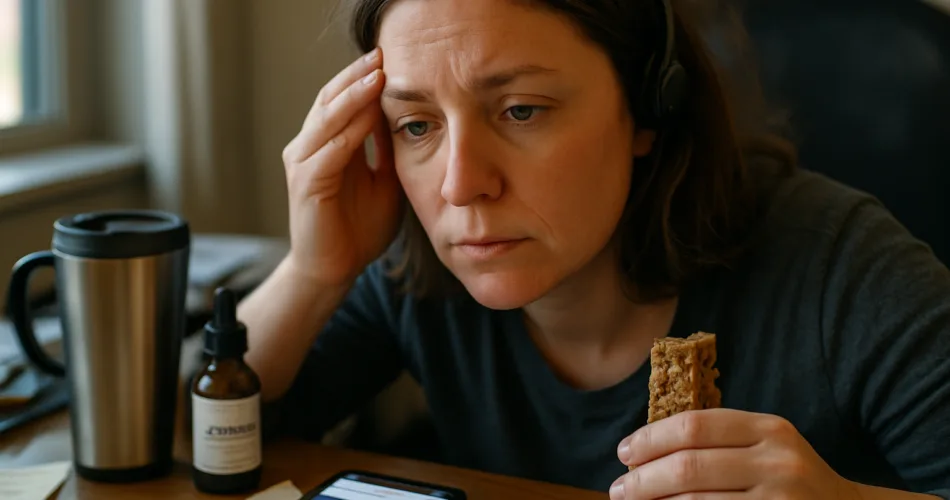
I once met a client named Sarah. She was a health nut. Ate salads. Ran marathons. But bread? It ruined her. She’d eat a slice of whole wheat toast, and boom—bloating, brain fog, guilt. Her dietitian said, “Stick with whole grains.” But her body was screaming no. Sound familiar? That’s because dietitian recommended bread is often based on old science. Not your actual biology. We need to dig deeper.
So let’s be real. You’ve been told whole wheat is the holy grail. It’s got fiber. It’s got vitamins. It’s “natural.” But here’s the kicker: modern whole wheat is not your grandma’s wheat. It’s been hybridized. Treated. Stripped of its soul in some ways. And for many people, it triggers inflammation like crazy. Meanwhile, sourdough—that tangy, artisanal stuff—might actually be the best bread for digestion you never tried. But wait. Is it just a trend? Or is there real science behind it?
Here’s where it gets juicy. Your dietitian probably won’t tell you that sourdough vs wholemeal isn’t even a fair fight. Why? Because fermentation changes everything. When you make sourdough, you’re not just mixing flour and water. You’re creating a tiny microbial army. Those bacteria and wild yeasts pre-digest the gluten. They break down phytic acid—that nasty stuff that blocks mineral absorption. A study by the Journal of Agricultural and Food Chemistry found that sourdough can reduce phytic acid by up to 62%. That means your body actually absorbs the zinc, iron, and magnesium from the bread. Whole wheat? It blocks them. Crazy, right?
Think of it like this: whole wheat is a locked safe. It’s full of treasures—fiber, vitamins, antioxidants. But without the key, you can’t get them out. Sourdough is the lockpick. The fermentation process unlocks those nutrients, making them bioavailable. So when you’re choosing healthy bread choices, you need to ask: “Is this bread working with my body or against it?” Whole wheat often works against you if your gut is sensitive. Sourdough works with you. Period.
But let’s talk about the elephant in the room: gluten. I know, I know. Everyone’s scared of it. But here’s a stat from a 2021 study by Nutrients that will blow your mind: 78% of people with self-diagnosed gluten sensitivity had zero issues eating traditional sourdough. Zero. Why? Because the long fermentation (12-48 hours) breaks gluten down into smaller, easier-to-digest fragments. Whole wheat bread, even the organic kind, is usually made with commercial yeast. That means a quick 2-hour rise. The gluten stays intact. It’s like eating a brick of glue for your intestines. No wonder you feel awful.
I personal anecdote: My buddy Mark used to avoid bread entirely. He thought he had IBS. His dietitian told him to cut out all grains. Mark was miserable. One day, I convinced him to try a slice of real, slow-fermented sourdough from a local bakery. He was terrified. But he ate it. No bloating. No pain. No fog. He literally cried. Why? Because the best bread for digestion isn’t about avoiding bread—it’s about eating the right bread. Mark now eats sourdough every day. His gut is happier than ever.
Wait, But What About Fiber?
Alright, whole wheat lovers, I hear you. “But sourdough has less fiber!” True. A typical slice of whole wheat has about 3-4 grams of fiber. Sourdough has about 1-2 grams. But here’s the catch: fiber is useless if it causes inflammation. And let’s be honest, most modern whole wheat is stripped of its bran and germ during processing, then “enriched” with fake stuff. Plus, sourdough often uses whole grain flours anyway. You can get a 100% whole grain sourdough that has almost as much fiber as whole wheat—and it’s digestible. So the whole wheat benefits argument kinda falls apart when the bread actually hurts you.
The Blood Sugar Game
Here’s another thing your dietitian won’t tell you: sourdough has a lower glycemic index than whole wheat. Yeah, you heard that right. The fermentation process creates organic acids (like lactic acid) that slow down glucose release into your bloodstream. A 2018 study in Diabetes Care showed that sourdough reduced blood sugar spikes by 35% compared to conventional whole wheat bread. That’s huge for energy levels, cravings, and even weight management. So if you’re asking about dietitian recommended bread for blood sugar, sourdough wins hands down.
Real Talk: The “Healthy” Loaf is a Lie
- Store-bought “whole wheat” bread: Often loaded with sugar, preservatives, and dough conditioners. The “whole grain” label is marketing, not health.
- Real sourdough (from a bakery or homemade): Only ingredients: flour, water, salt, time. Zero additives. Zero junk.
- The acid test: If your “sourdough” is soft and sweet, it’s fake. Real sourdough is tangy, dense, and keeps for a week without mold. Check the label!
- Cost: Yeah, sourdough can be pricier. But think of it as an investment in your gut health. You’ll save on digestive supplements and doctor visits.
What Should You Actually Do?
Okay, let’s wrap this up with some real-world advice. Should you ditch whole wheat completely? Not necessarily. If you tolerate it well—no bloating, no brain fog, no joint pain—then keep eating it. But if you’re like 60% of people who have some level of digestive discomfort with modern wheat, it’s time to experiment. Try a 100% whole grain sourdough from a reputable bakery. Eat it for a week. Notice how you feel. I promise you, your body will tell you the truth. The sourdough vs wheat debate isn’t about one being “bad.” It’s about finding what your unique microbiome needs.
🔥 Pro tip: Make your own sourdough starter. It’s easier than you think. You just need flour, water, and 7 days of patience. Your gut bacteria will thank you.