


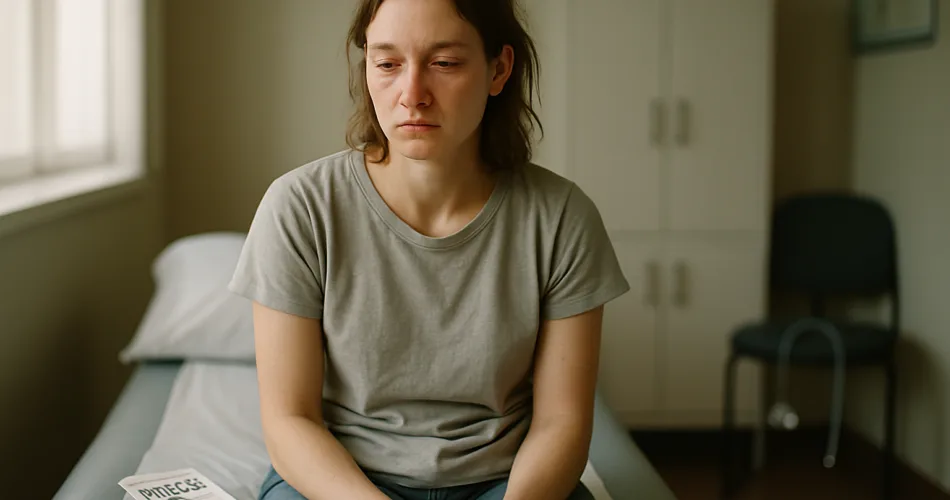
Picture this: you’re curled up on the bathroom floor, your abdomen feels like it’s being twisted by a red-hot vice, and you can barely breathe through the pain. You’re told to take a Tylenol and maybe try yoga. Then, the doctor looks you dead in the eye and says, “This is just women’s health stuff. It’s normal.” But it’s not. For millions, this isn’t just a bad period—it’s endometriosis awareness gone silent. **They Called It Normal**, but the truth is, it’s a deep, systemic failure. This isn’t just about cramps; it’s about how the medical world has gaslit an entire gender out of basic empathy.
Let’s be real for a sec. If a man walked into an ER with the same level of chronic pain, he’d probably get an MRI within the hour. But for women? It’s “just anxiety” or “you’re overreacting.” The gap in medical treatment isn’t accidental—it’s baked into the system. Gender bias in medicine is the ugly twin of medical misogyny, and endometriosis is ground zero. I remember chatting with a client, Sarah, who waited 12 years for a diagnosis. Twelve. Years. She was told she was “dramatic” so many times she started believing it herself.
Honestly, it kinda makes you wanna scream. The pain isn’t imaginary. It’s a real, measurable, tissue-invasive disease. Yet, the average time to diagnose endometriosis is still 7 to 10 years. That’s a decade of your life being dismissed as “being a woman.” **They Called It Normal**, but normal doesn’t make you miss work, miss your life, or question your own sanity. So, where did this all start? And why is it still happening? Let’s dig into the rabbit hole.

🚩 The History of “Suck It Up, Princess”
We have to look back to understand why we’re stuck. For centuries, female pain was simply ignored. The medical textbooks were written by men, for men. The default human in medical research was a 70kg male body. Everything else was “abnormal.” So, when women reported agonizing period pain, it was brushed off as “hysteria” or “weakness.” That legacy didn’t die; it just got modern clothes on.
- 🧠 The Hysteria Hangover: In the 1800s, doctors thought the uterus was a wandering organ causing madness. Guess what? That same logic, albeit hidden, exists today. Women’s pain is treated with psychology, not gynecology.
- 📉 The Research Gap: A study by the NIH shows that female-specific conditions receive significantly less funding than male-predominant diseases. Endometriosis? It gets a tiny slice of the pie.
- ⏳ The “Wait and See” Trap: How many times have you heard, “Let’s wait until you want to have kids”? That’s not a treatment plan. That’s a delay tactic.
This isn’t just history. This is a living, breathing bias that dictates how much pain you are allowed to express. It’s a prime example of how invisible illness gets dismissed because it doesn’t show up on a standard blood test. **They Called It Normal**, but normal doesn’t feel like broken glass inside your pelvis.
🔥 The Gaslighting Cycle: You vs. The System
Here’s a fun fact that isn’t fun at all: 78% of women with endometriosis report being told by a doctor that “it’s all in your head.” That’s a stat from a recent patient advocacy survey. Like, how messed up is that? You walk in with legit chronic pain, and you leave with a referral to a shrink instead of a surgeon.
The cycle goes like this:
- You feel pain. It gets worse.
- You see a GP. They do a basic exam. They find nothing.
- They say it’s “normal.” They pat your hand.
- You feel crazy. You go home and suffer silently.
- Repeat for 5–10 years until you find a specialist who listens.
Think of your body like a high-performance engine. If the check engine light was on, you’d take it to a mechanic. But what if the mechanic said, “Oh, that light? It always comes on. Just ignore it.” You’d fire that mechanic. Yet, we accept this for our own health. Why? Because society told us that our pain is not a priority. Medical misogyny is the mechanic who doesn’t believe your engine is broken.
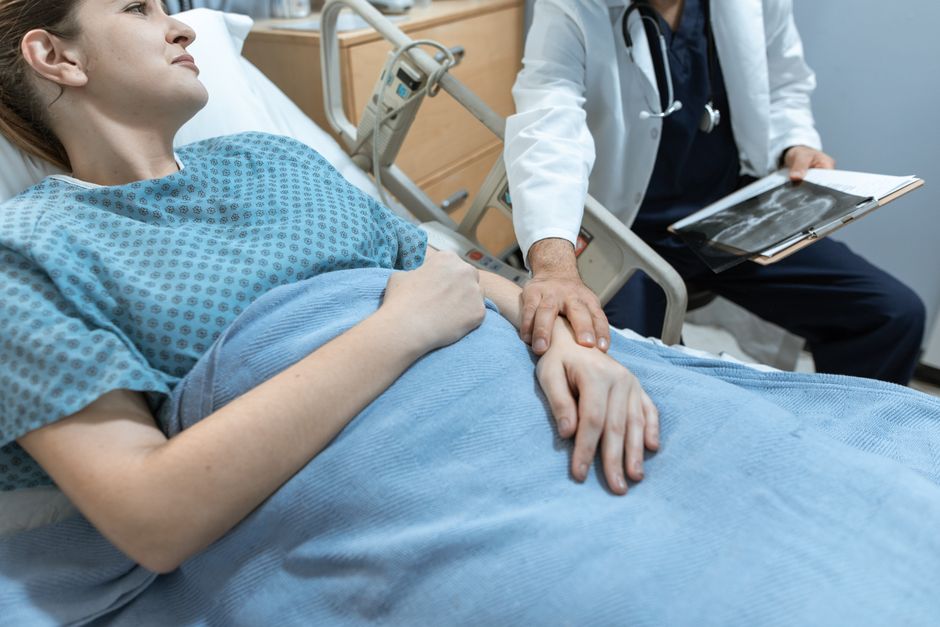
💔 The Emotional Toll of “Just a Period”
I once met a girl named Mia. She was 22, brilliant, and in constant pain. She told me that she stopped telling her friends when she was hurting because they’d just say, “Oh, babe, I get cramps too.” They didn’t get it. Endometriosis isn’t a cramp. It’s inflammation that glues your organs together. It’s fatigue that feels like concrete in your bones. It’s infertility scares. It’s losing jobs because you call in sick every month.
This is the part where we talk about reproductive health as a whole. When you have an invisible illness, you’re not just fighting the disease. You’re fighting the disbelief of everyone around you. You’re fighting your own brain, which starts to wonder, “Maybe I am just weak?” That’s the silent killer—the erosion of your self-trust.
**They Called It Normal.** They called it heavy periods. They called it bad luck. But no one called it what it is: a disability that needs real, aggressive treatment.
🛑 How We Break the Gaslighting Cycle
Alright, enough with the doom and gloom. Let’s get practical. How do you stop the cycle for yourself or someone you love? It starts with being your own loudest advocate. Doctors can be wrong. Specialists can be dismissive. Here’s your battle plan:
- 📝 Document Everything: Keep a pain diary. Note the date, the severity (1-10), and what you did. Show them data. Data beats “I feel bad.”
- 🎯 Ask for the Specific Tests: Don’t just accept “everything looks fine.” Ask for a transvaginal ultrasound or an MRI with an endometriosis protocol. Even better, ask for a referral to a gynecologic surgeon who specializes in excision—not ablation.
- 🗣️ Use the Keywords: When you talk to your doctor, say, “I suspect I have endometriosis awareness issues here, and I need a proper diagnosis. This pain is impacting my quality of life.” Using the clinical terms sometimes forces them to take you seriously.
- 👭 Bring a Buddy: Go to appointments with a friend or partner. Two people are harder to gaslight than one.