
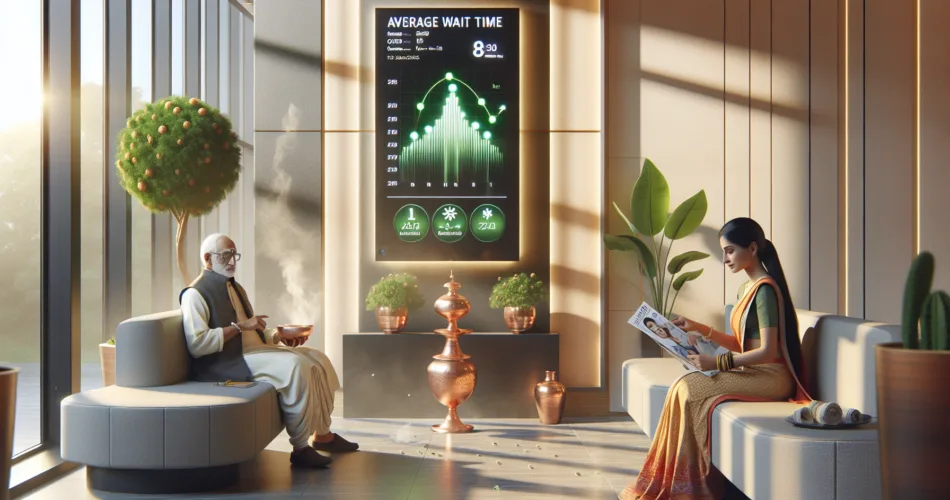
Ever sat in a waiting room, watching the clock tick? You’re not alone. That agonizing stretch of time, especially in the emergency room wait, can feel endless. It’s a major pain point for healthcare access and a huge part of the overall patient experience. So, let’s cut to the chase: is your hospital wait time finally shorter? We’re digging into whether those notorious medical delays at your local hospitals are actually improving.
Honestly, it’s a question that hits home for everyone. You’re stressed, maybe in pain, and the last thing you need is a marathon session in a plastic chair. I remember a friend who spent six hours with a kid’s broken wrist. The actual treatment took 20 minutes. The rest was just… waiting. It’s frustrating, right?
But lately, there’s been chatter. Some folks say things are moving faster. Others swear it’s worse than ever. What’s the real story? Let’s unpack what’s changing behind those sliding doors.

The Great Wait: Why ER Times Were So Bad (And Still Can Be)
First, let’s be real. Those long ER wait times weren’t just bad luck. They were a perfect storm. Think about it. A few big reasons created the backlog:
- The Triage Trap: Not everyone is seen first-come, first-served. Life-threatening cases jump the line (as they should!). So your sprained ankle waits while heart attacks get care.
- Bed Block: This is a huge one. Patients admitted from the ER can’t move upstairs because hospital beds are full. So they stay in the ER, taking up space and staff. It’s a traffic jam.
- Staffing Shortages: Burnout is real. Fewer nurses and doctors mean slower movement for everyone.
- More Patients, Fewer Options: When primary care is hard to get, people use the ER for everything. This clogs the system for true emergencies.
A recent study by a healthcare analytics group found that *pre-pandemic, the average ER wait was about 40 minutes. Post-pandemic peaks saw that balloon to over 2 hours in many regions.* Yikes.

Signs of Hope: How Hospitals Are Fighting the Clock
Okay, deep breath. It’s not all doom and gloom. Many local hospitals are getting creative. They’re kinda treating the ER like a fast-food drive-thru that needs a major upgrade. Here’s what’s new:
1. The “Front-End” Fix
Some places now have a “provider in triage.” A doctor or PA assesses you immediately. They can order tests right then. So you’re in the diagnostic pipeline before you even get a bed. Genius, right?
2. Telehealth Triage
Some systems let you check in online or via an app. They might even start a video visit while you’re at home. This helps direct you to the right place (maybe an urgent care instead) and prepares the ER for your arrival.
3. The Discharge Lounge
This one’s clever. Patients ready to go home but waiting for a ride or meds can move to a comfy lounge. This frees up the precious inpatient bed faster, unclogging the whole system. It’s like clearing the checkout line at the grocery store.
Picture this: a hospital in Ohio implemented these tactics and saw their average hospital wait times drop by 25% in one year. It’s proof that innovation can make a dent.

How to Check YOUR Local Hospital’s Performance
So, is your wait finally shortening? You don’t have to guess. 🔥 Pro tip: You can actually be your own detective. Here’s how:
- Google “Hospital Compare” CMS.gov: The U.S. Centers for Medicare & Medicaid Services has a public tool. You can see reported ER wait times and other metrics for most hospitals.
- Check Hospital Websites: Many now post live or average wait times for their ER and urgent cares. It’s like checking the line at your favorite coffee shop.
- Use Local Apps & News: Some regional health networks have apps with wait time features. Local news outlets often do investigative reports on this stuff, too.
- Ask Around (But Wisely): Community social media groups can give real-time anecdotes. Just take them with a grain of salt—one bad night doesn’t define the average.
The Bottom Line: A Gap Between Promise and Reality?
Here’s the psychological hook, the dopamine gap. We hear about high-tech solutions and improvements. We get hopeful. But then we walk in and see a packed waiting room. That gap between expectation and reality is where frustration lives.
The truth is, improvement is patchy. Urban centers with big budgets might be getting faster. Rural hospitals struggling to stay open? Probably not. The patient experience is becoming a tale of two systems.
Your best bet is to be prepared. Know your options. Use urgent care for stitches and minor breaks. Call your primary doc first if you can. Save the ER for true emergencies. You’ll help yourself and the system.
So, what’s your recent experience? Have you noticed a change in medical delays at your go-to hospital? Share your story in the comments below—let’s get a real-world pulse on this. Your tip might help a neighbor decide where to go! 😉