


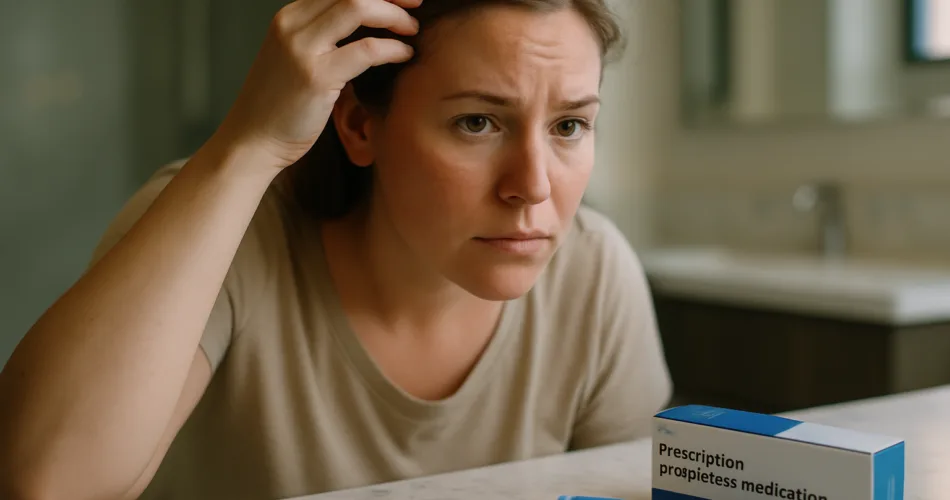
Picture this: you finally found the magic bullet. The scale is dropping, your jeans are loose, and for once, the mirror feels kind. But then, one morning, you see it. A clump of hair on your pillow. Then another in the drain. Suddenly, that dream come true feels like a nightmare. You’re not alone, and honestly, it’s a bit scary. We’re talking about the connection between weight loss injection hair loss and the drugs everyone is raving about. It’s the side effect nobody puts on the brochure.
Let’s be real for a second. We all want the shortcut. We want to look in the mirror and see the “best version” of ourselves without starving to death. But what happens when the cure costs you your crown? The question on everyone’s mind is whether semaglutide hair thinning is just a myth spread by jealous people, or a legitimate trade-off. It’s a tough pill to swallow. So, let’s dive deep into the scary reality behind the weight-loss injection that is silently making you bald. We need to check the facts before you skip your next dose.
I’ve seen this happen with my own eyes. A friend of mine, let’s call her Jen, lost 40 pounds in six months. She looked incredible. But her hair? It looked like a rat’s nest that was falling apart. She was crying in the bathroom, wondering if she had to choose between her waistline and her identity. It’s a heartbreaking trade-off, and it’s happening to thousands of people right now. The science behind ozempic balding side effect is not talked about enough. So, we are going to talk about it. No sugar-coating.
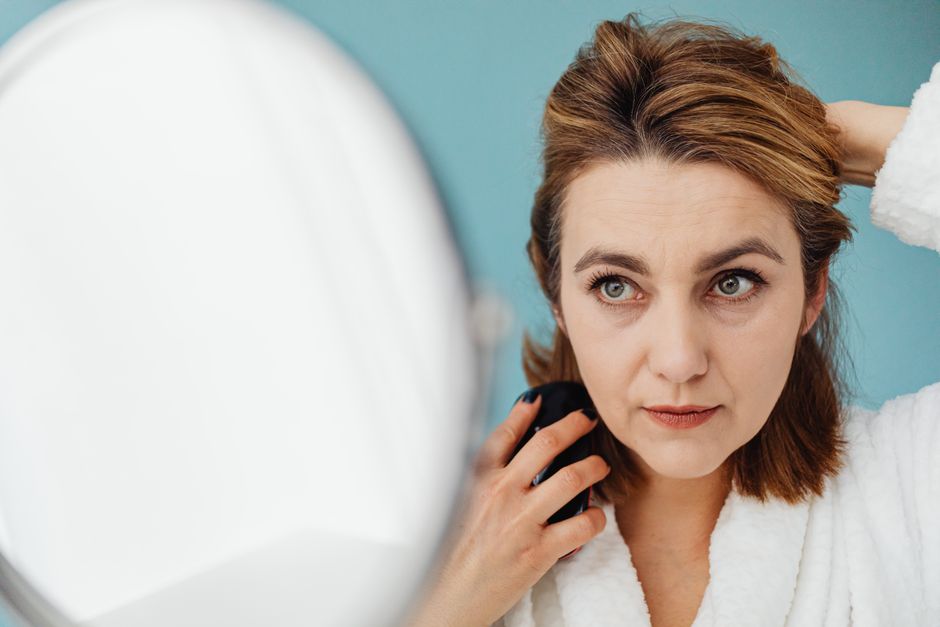

Why does this happen? Is the drug attacking your follicles directly? Probably not. It’s more of a brutal chain reaction. When you lose weight rapidly, your body goes into panic mode. It’s like a bank that suddenly faces a massive withdrawal. Your body prioritizes survival over luxury. And guess what? Your hair is a luxury item to your biology. This is called “Telogen Effluvium.” It’s a fancy term for stress-related shedding. The weight loss drug and hair loss link usually boils down to nutritional deficiencies and shock.
Think of your body like a high-performance car. You wouldn’t put cheap gas in a Ferrari, right? Well, when you’re on these injections, you eat less. You eat *way* less. That means the protein, iron, and zinc you used to get from food are gone. Your body is starving for nutrients. It has to decide: keep the hair or keep the heart beating? The heart wins every single time. It’s a survival mechanism. That’s why GLP-1 hair loss is so common.
Let’s look at a specific stat, because data helps, right? Studies suggest that up to 20% of patients taking GLP-1 receptor agonists report some form of alopecia. That’s one in five people! Imagine a classroom of 20 kids. Four of them are going to lose chunks of hair. That’s not a rare side effect; that’s an epidemic hiding in plain sight. The hair loss from weight loss injections is real, and it’s not just in your head. It’s a physiological response to a drastic change.

But wait, there is a light at the end of the tunnel. It’s not always permanent. The body is resilient. Usually, this shedding starts around 2-3 months after you start the injection. It can look terrifying. But your hair has a cyclical growth pattern. Once your body stabilizes at the new weight, things *can* grow back. The key is damage control. You can’t just stop the drug cold turkey. You have to manage the symptoms. And for goodness sakes, you need to eat protein!
So, how do you fight back? It’s not just about waiting. You have to be aggressive. First, check your iron levels. Seriously. Anemia is a killer for hair. Second, take a biotin supplement. It’s not magic, but it helps. Third, and this is the big one, you need to force yourself to eat protein, even when you aren’t hungry. It’s like fueling the fire. If you don’t, the ozempic alopecia truth will hit you harder than you expect.
Let’s break down the survival plan:
- Protein Shakes: If food is gross, drink your calories. You need at least 100g of protein a day. It’s non-negotiable.
- Micronutrients: Get a blood test. Check for Vitamin D, Ferritin, and B12. Deficiencies are the root cause.
- Scalp Stimulation: Use a scalp massager. It increases blood flow. It wakes up the sleeping follicles.
- Patience: Hair grows about half an inch a month. It takes time. You are playing the long game now.
I remember talking to a nutritionist about this. She told me, “Think of your hair like a garden. The injection is a lawnmower that cuts everything down. You have to replant and water the soil to get it back.” It made so much sense. You can’t just mow and walk away. You need to feed the soil. That means eating nutrient-dense food despite the nausea. It sucks, but it’s the only way.

There’s also a psychological hook here that nobody talks about. The weight loss makes you happy. The hair loss makes you depressed. That stress makes the hair loss worse. It’s a vicious cycle that traps you. You need to be mentally prepared for this. It’s a trade-off that might not be worth it for everyone. Is being skinny worth feeling bald and ugly? That’s a question only you can answer. But at least know the risks before you start.
Another thing to watch out for? Crash diets. Some people start these injections and just stop eating entirely. Bad move. Your body goes into starvation mode. It stops producing estrogen and testosterone. That hormonal crash is terrible for your hair. It’s like the weight loss injection hair loss is a sign your body is in distress. It’s your check engine light coming on. Don’t ignore that light.
So, what’s the verdict? Are these injections evil? No. They are tools. But they are powerful tools that require respect. If you are thinking about using them, or if you are already using them, you need a plan. You need to talk to your doctor about your nutrient levels *before* you start, not after you see bald spots. You need to treat your body with care.
Try a “hair cocktail” approach. Mix your regular meds with an anti-hair-loss protocol. Eat spinach, eggs, and lots of fish. These foods are rich in keratin-boosting ingredients. Trust me, it’s easier to prevent the fall than to regrow the whole forest. The GLP-1 hair loss experience is daunting, but it is not the end of the world. You